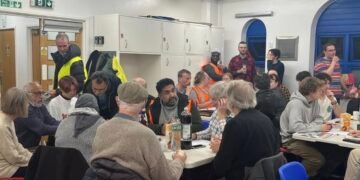
For over two decades, the CLEAR Project in Southampton has been a lifeline for those arriving on British shores in search of sanctuary. Founded by City Life Church in 2001, CLEAR—short for City Life Education and Action for Refugees—is dedicated to helping refugees, asylum seekers, and vulnerable migrants rebuild their lives. The organisation’s approach is holistic; it combines practical, legal, and emotional support to empower newcomers as they navigate complex government systems and unfamiliar social landscapes. The group is registered as a charity.
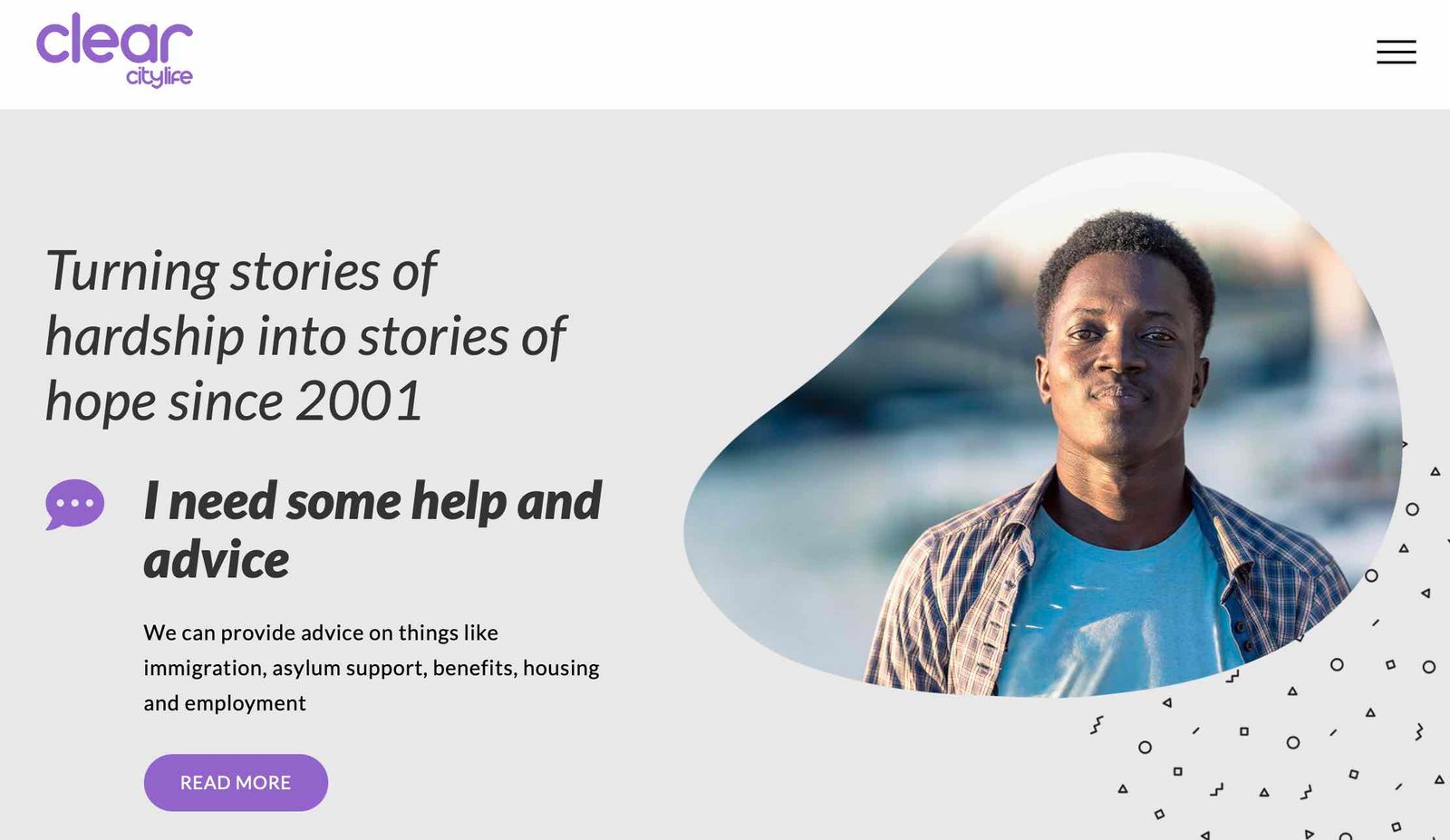
At the heart of CLEAR’s work is the belief that practical advice and community connection can transform the experience of migration from one of confusion and isolation into a foundation for hope. Staff and volunteers provide free, confidential guidance on everything from immigration status and access to benefits, to housing advice and finding employment. CLEAR’s team has become particularly important to newly arrived groups from Syria, Ukraine and Hong Kong, as well as to EU nationals and other migrants, each of whom faces unique bureaucratic and personal hurdles.
Yet CLEAR’s mission doesn’t stop at advice services. The charity offers English language classes tailored to the needs of those adjusting to life in Britain. Workshops and community-building events foster not just language skills, but also belonging. Volunteers and donors play a pivotal role, ensuring that services remain accessible to all, whatever their background or bank balance. Through its many programs, CLEAR seeks to turn stories of hardship into stories of hope, a mantra woven into every layer of its operation.
While CLEAR provides vital housing advice and support in Southampton, organizations up and down the country are responding to the broader national challenge of refugee housing. ACH works nationally, helping newly arrived refugees gain access to secure accommodation and begin integrating over the long term. Positive Action in Housing’s Room for Refugees Network offers a unique model: it matches people who have spare rooms with refugees who urgently need a place to stay. Similarly, Refugees at Home connects hosts and those seeking sanctuary, helping fill gaps left by the state. Other organizations, including the Refugee Council, Refugee Action, and Action Foundation, offer a blend of advocacy, referrals, and hands-on support, walking with newcomers through both the practicalities and the emotional strain of resettlement.
Funding for these organizations is complex and, often, unpredictable. Government grants play a crucial role, with a significant portion of the UK’s aid budget—£2.8 billion in 2024—directed at supporting refugees, including funding for housing and essential services. Local councils have their own budget lines and sometimes work in partnership with local charities. Independent grant-making trusts, such as the A B Charitable Trust, provide funds for core costs. At the same time, public fundraising campaigns and private donations underpin much of the work, lending stability and flexibility at a time when demand is rising and state resources are under pressure. For hosting-network charities, volunteer households are their backbone, providing both direct accommodation and a template for grassroots generosity.
Many benefactors can be sourced,, CLEAR received operational support and funding from Southampton City Council, particularly for its work with Syrian refugees arriving in the city. These core streams have been supplemented by grants and donations from companies, local trusts, and individual supporters. One publicised example is a grant of £489,372 awarded to City Life Church (which oversees CLEAR Project) by the National Lottery Community Fund, specifically to support the charity’s work with refugees and migrants in Southampton
On Clear Project’s website, various paid roles are advertised such as “Volunteer & Engagement Lead,” specifically advertised as a position they are hiring for and list under job opportunities. Indicating that, while volunteering plays a big part in their operation, they also employ professionals to deliver key services and help run the charity effectively. These paid roles are supported by donations, grants, and government / foundation funding. All in turn paid for by the British Tax-payer.
In Southampton, the CLEAR Project stands as a testament to the power of community action. Across Britain, similar organisations knit together a patchwork of care for those arriving from some of the world’s most troubled places. Their work is only possible because of a blend of official funding, charitable support, and the energy of ordinary people—proof, perhaps, that while government budgets matter, generosity is what truly underpins the country’s welcome.