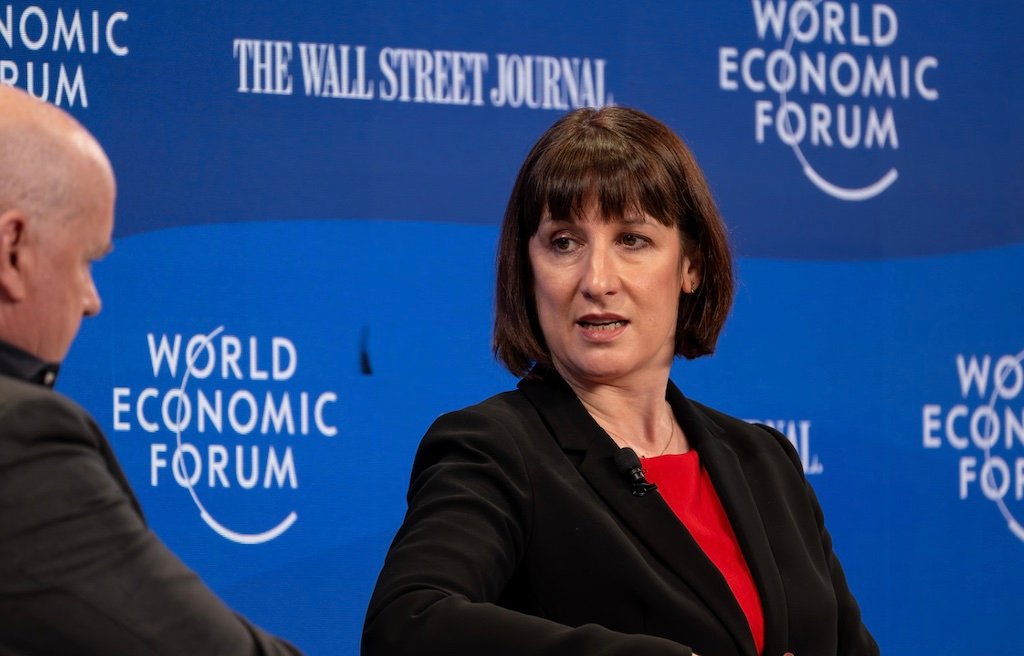
Chancellor Rachel Reeves has sharply criticised Reform UK’s flagship immigration proposals, arguing they amount to “simple gimmicks” with “no basis in reality”, as Nigel Farage’s party launched its plans to overhaul welfare and migration rules.
Speaking this morning, Reeves cast doubt on Reform’s claim that abolishing indefinite leave to remain (ILR) would deliver £234 billion in taxpayer savings—a figure championed by Farage in the party’s latest policy push. “The numbers that Reform have come out with overnight have already begun to disassemble,” Reeves said. “I want to bring down illegal migration. This government is bringing down migration. We have sent a record number of people who have no right to be in our country home.”
Reeves pointed to a series of measures already implemented by Labour, including reducing the use of hotels for asylum seekers and brokering new agreements with France to return those arriving by small boats. “Those are all steps towards our ambitions to get a grip of this situation that we inherited,” she said. “It is a difficult challenge, I think everybody can see that, but simple gimmicks like those put forward by Reform that have no basis in reality and where the numbers just fall apart – that’s not the way to tackle a very serious issue, and this Labour government are getting on and doing that.”
Farage’s proposals would see ILR abolished, stripping some 430,000 non-EU citizens of their right to remain and access to state benefits, according to figures from the Migration Observatory at Oxford University. Reform’s head of policy, Zia Yusuf, clarified on Monday that the party does not intend to scrap European settled status, which currently grants nearly identical rights to over four million EU citizens living in Britain.
Yet, the plans have already raised red flags in Brussels. Any legislation that blocks EU citizens with settled status from claiming benefits could breach the Brexit withdrawal agreement, which enshrines reciprocal welfare rights for EU and British nationals. The risk is not merely theoretical: failure to renegotiate could open the UK to fines or even trade sanctions.
Pressed on whether the proposals would extend to EU citizens, Yusuf said: “The answer is no in terms of EU settled status but there is a caveat, there are a lot of EU nationals in this country who are drawing on Universal Credit. So you can expect Nigel’s government to open negotiations with the European Union specifically about the welfare aspect.”
Currently, EU migrants with settled status account for nearly 10% of Universal Credit claimants, compared with 2.7% for non-EU migrants, according to the Department for Work and Pensions. Reform argues that further savings would come from preventing an anticipated 800,000 migrants from gaining ILR over the next 15 years, a cohort largely shaped by Boris Johnson’s liberal immigration reforms.
While Reform UK has doubled down on its estimates, Reeves was unsparing: “That’s not the way to tackle a very serious issue, and this Labour government are getting on and doing that.” The debate is likely to intensify as Farage’s party prepares for a showdown with the EU, and Labour seeks to shore up its record on immigration ahead of the next general election.