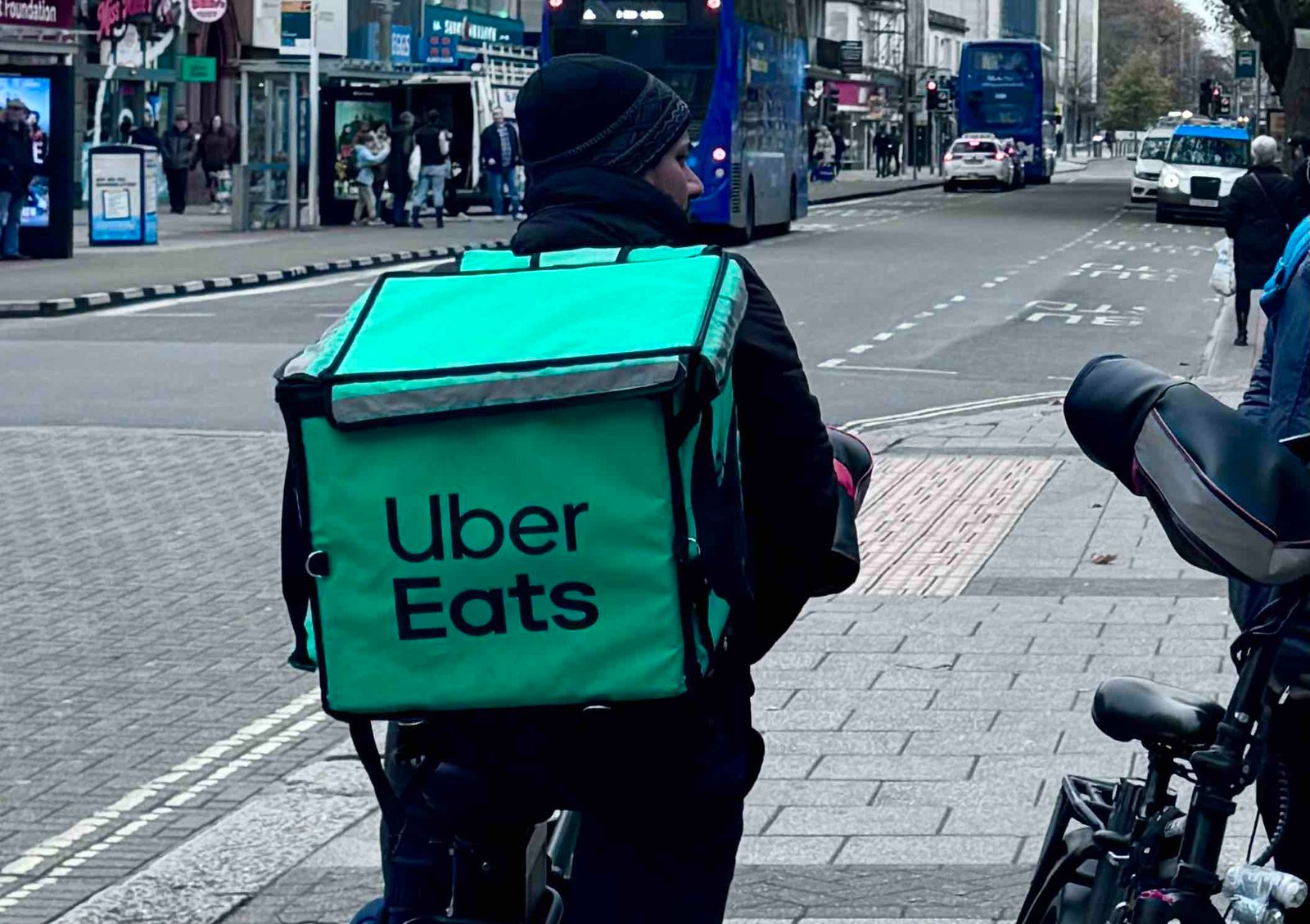
A government crackdown on undocumented migrants working for takeaway apps could lead to higher prices for consumers, Uber has warned, as the UK steps up efforts to block illegal workers from the gig economy.
Food delivery platforms such as Uber Eats, Deliveroo, and Just Eat have long attracted undocumented workers, drawn by historically lax right-to-work checks and the ease of signing up as a delivery rider. Some riders have even taken to selling or renting out their accounts on social media to “substitutes”—often individuals without legal status—who can then work under the radar with little vetting.
Home Office officials have identified the gig economy as a “pull factor” for newly arrived migrants, including those crossing the Channel in small boats. Earlier this year, the government demanded that delivery platforms do more to prevent undocumented migrants from using their apps, and began sharing data on known asylum hotels to help companies spot suspicious activity.
In response, Uber Eats, Deliveroo, and Just Eat have all introduced tighter right-to-work checks over the past year, including facial recognition and document verification. Thousands of accounts have been deactivated as a result, Uber confirmed. Despite these efforts, the Home Office warned in July that “abuse in the system” continues, and secured new commitments from the companies to go further in spotting and suspending suspect accounts.
Former Home Secretary Yvette Cooper, now Foreign Secretary after Friday’s Cabinet reshuffle, had also pressed to toughen laws forcing all gig economy companies to check their workers’ legal status. Her successor, Shabana Mahmood, is expected to maintain the pressure.
In its latest UK accounts, Uber reported revenues climbing from £5.3bn in 2023 to £6.5bn last year, but profits falling from £29.4m to £21.6m. The company blamed the drop on rising administrative costs tied to its food delivery division and the expense of ramping up compliance checks.
Since April, Uber has blocked thousands of accounts flagged by stricter right-to-work measures. In August, the Home Office said its immigration enforcement teams had spoken to 1,780 individuals during a single week in July, resulting in 280 arrests for suspected illegal working. The asylum status of 53 people is now under review.
Industry leaders warn that the cost of these crackdowns may ultimately be borne by consumers. Tighter checks and account suspensions can lead to rider shortages and higher delivery fees, Uber said, warning that “the unintended consequence of well-meaning enforcement could be to push up the price of your next takeaway.”